
What Truly Determines a Safe Procedure Before, During, and After Surgery?
The decision to undergo plastic surgery often begins with a question that goes far beyond the aesthetic result: is it truly safe for me to have surgery?
It is a completely valid concern. After all, any surgical procedure involves significant medical responsibility and requires the patient to place their trust in a team, an institution, and a process that, in many cases, will transform not only their appearance, but also their quality of life.
However, there is a reality many people do not know: the safety of plastic surgery does not depend solely on the surgeon’s talent, nor does it begin when the patient enters the operating room. It also does not end when the patient is discharged.
True safety is the result of a carefully designed system in which multiple factors work in coordination to protect the patient before, during, and after surgery.
Clinical preparation, proper patient selection, anesthetic evaluation, hospital infrastructure, sterilization protocols, technology, the experience of the medical team, infection control, and postoperative follow-up are all part of one integrated process designed to reduce risks and support an appropriate recovery.
For this reason, medical institutions with the highest international standards no longer understand safety as a checklist of administrative requirements. They understand it as a true clinical culture.
The Safest Surgery Begins Long Before the Operating Room
For many years, it was believed that a successful surgery depended almost exclusively on the surgeon’s skill.
Today, we know that this statement is incomplete.
The World Health Organization (WHO) estimates that more than 300 million surgical procedures are performed around the world every year. At the same time, it recognizes that a significant portion of surgery-related complications can be prevented through standardized safety processes, effective communication among the medical team, and proper patient preparation.
With this objective, the WHO developed the Surgical Safety Checklist, a tool implemented in thousands of hospitals worldwide that has been shown to reduce preventable complications and improve surgical safety.
The message is clear: safe surgery does not depend only on what happens during the procedure.
It depends on everything that happens before it.
A Good Result Starts With the Right Candidate
Not everyone who wants surgery should undergo it immediately.
This may sound contradictory, but it represents one of the most important principles of responsible plastic surgery.
Before scheduling any procedure, the surgeon must answer a fundamental question:
Is this patient truly prepared for surgery?
The answer does not depend only on the patient’s desire.
It also depends on medical factors such as:
- personal medical history
- cardiovascular conditions
- diabetes
- high blood pressure
- blood-clotting disorders
- medication use
- smoking
- nutritional status
- body mass index
- skin quality
- emotional stability
- expectations regarding the procedure

Each of these elements can influence the way the body responds to surgery and recovery.
That is why a complete medical evaluation is not meant only to authorize a procedure.
It is meant to identify opportunities to reduce risks before they appear.
In some cases, the best decision will be to move forward with surgery.
In others, it may be necessary to control a medical condition, stop smoking for several weeks, or strengthen the patient’s nutritional status before entering the operating room.
Although these decisions may delay the procedure, they represent one of the highest forms of medical responsibility.
Because safety should never be sacrificed for speed.
The Anesthesiologist: One of the Most Important Pillars of Safe Surgery
When a patient thinks about plastic surgery, they usually imagine the surgeon.
They rarely think about the specialist who will be continuously monitoring their vital functions throughout the entire procedure.
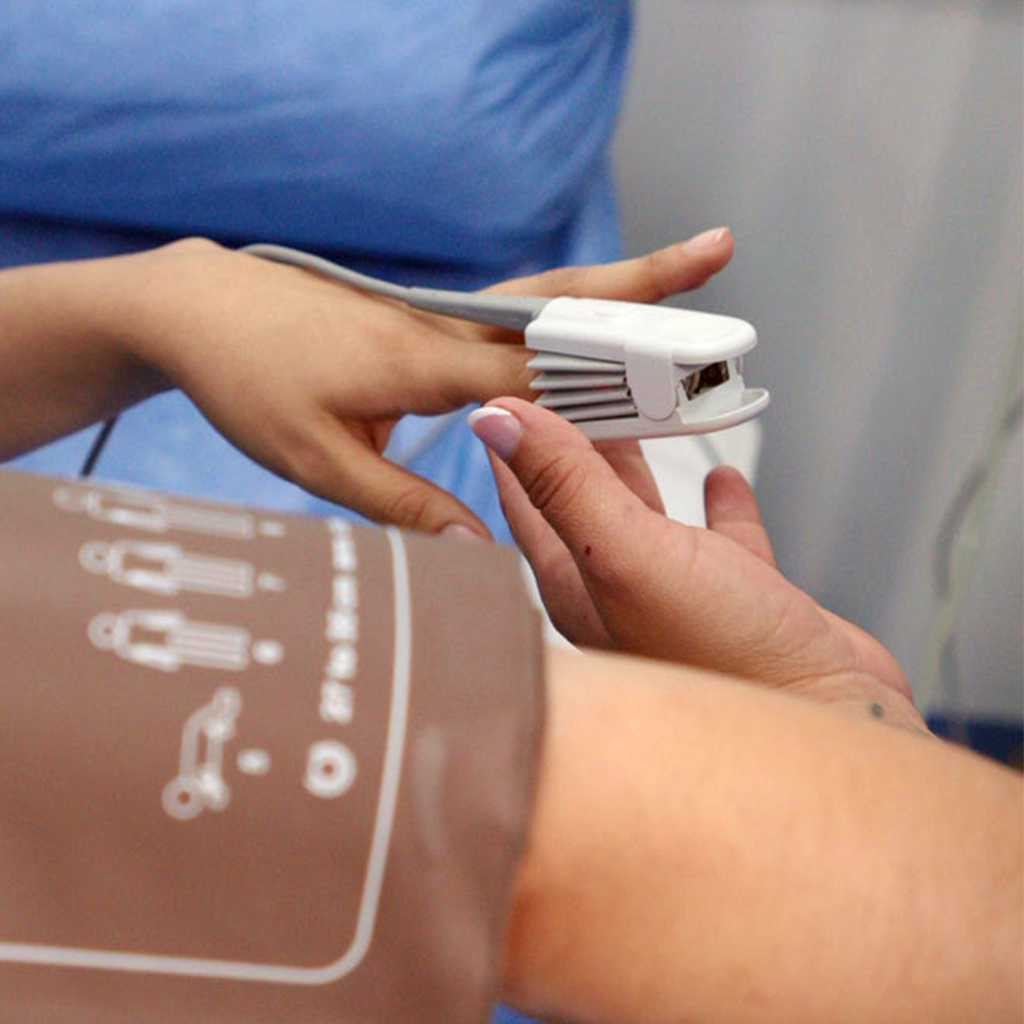
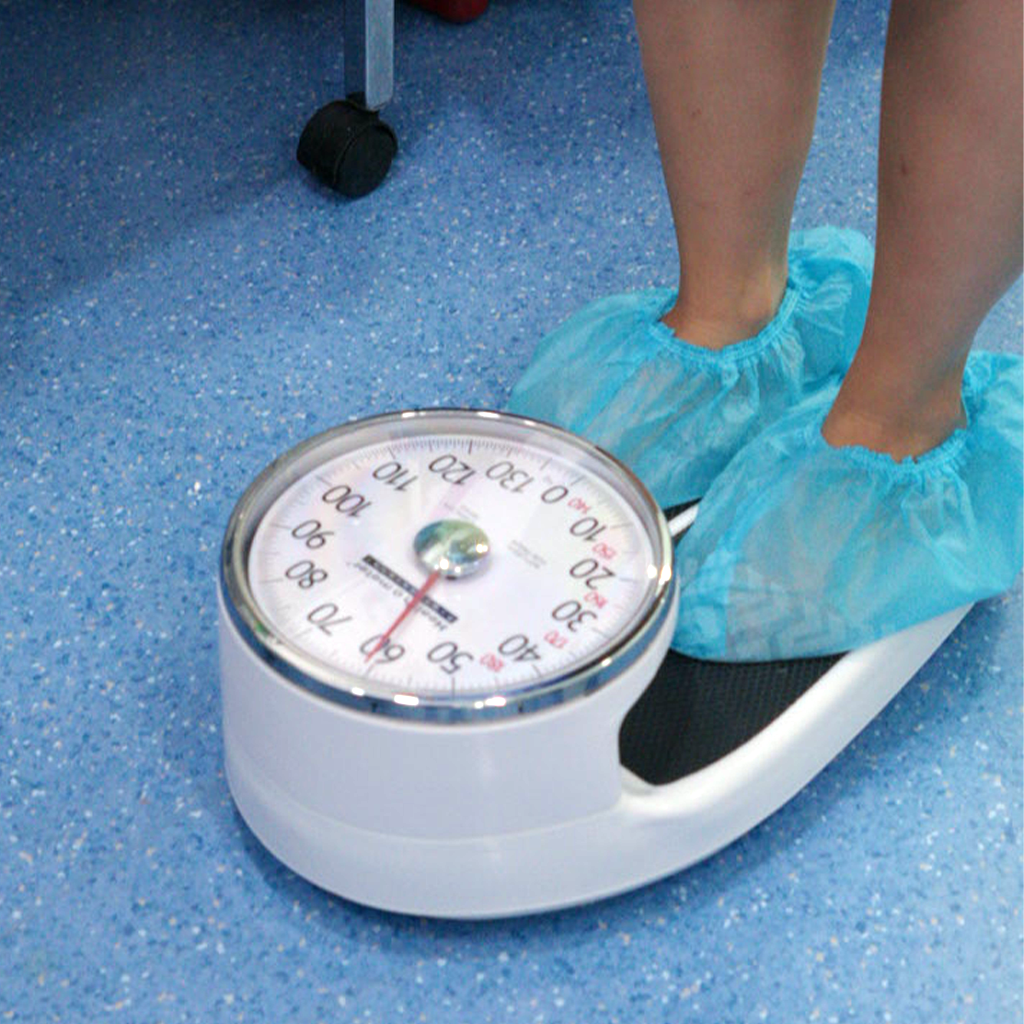
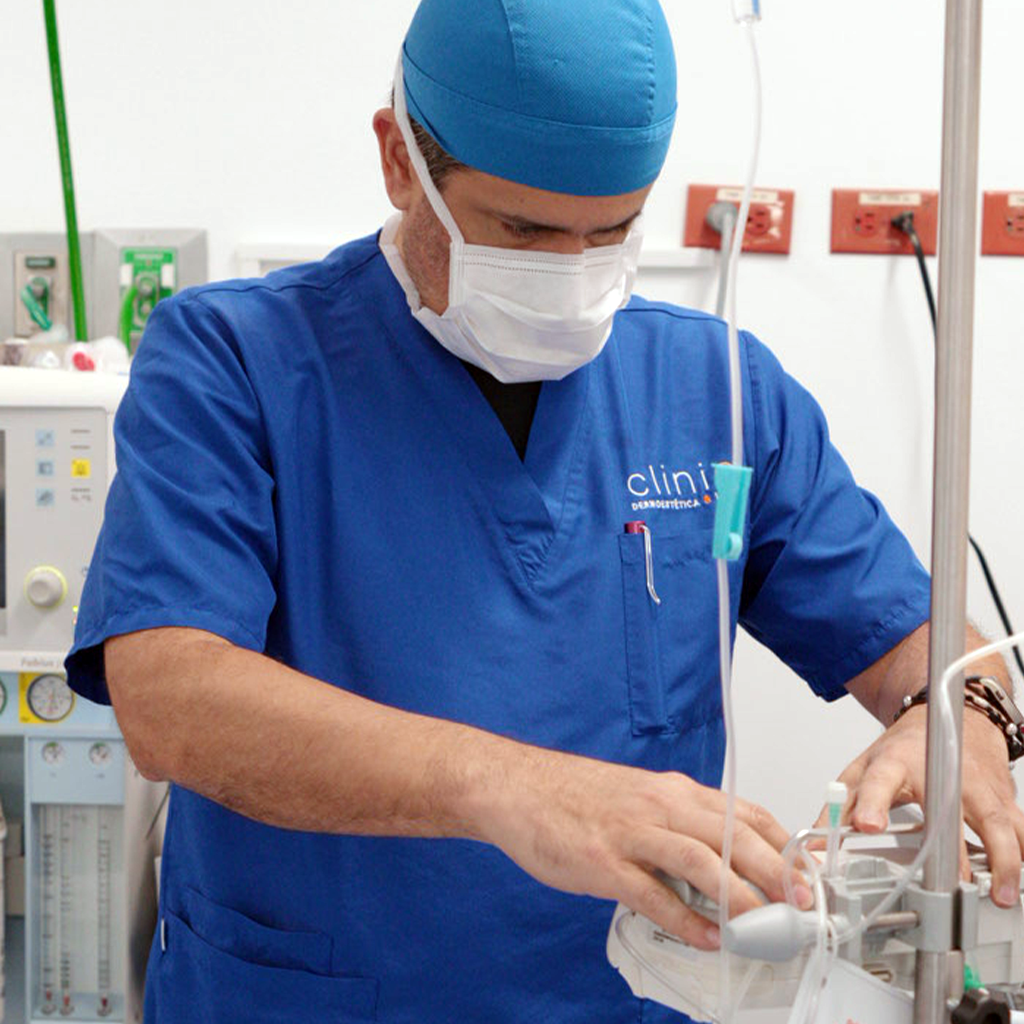
The anesthesiologist plays an essential role in surgical safety.
Their work begins even before surgery, through a pre-anesthetic evaluation that reviews medical history, allergies, illnesses, medications, laboratory results, and any condition that may influence the anesthetic plan.
Based on this information, the anesthesiologist determines the most appropriate type of anesthesia for each patient and establishes a personalized plan to maintain cardiovascular, respiratory, and metabolic stability throughout the procedure.
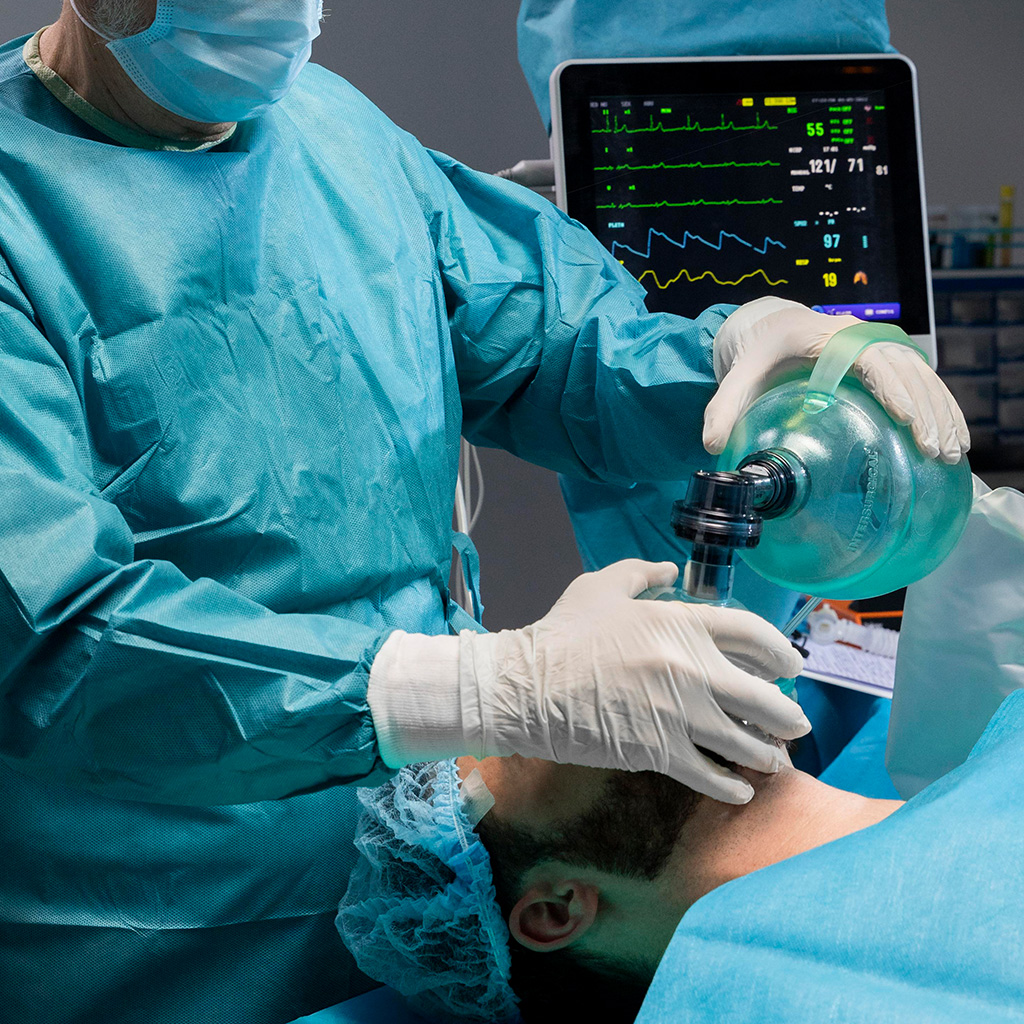
While the surgeon focuses on the intervention, the anesthesiologist continuously monitors parameters such as blood pressure, heart rate, oxygenation, ventilation, and depth of anesthesia, responding immediately to any change that requires intervention.
Their presence is not an administrative requirement.
It is one of the most important components of the safety system that protects the patient throughout surgery.
Informed Consent Also Protects the Patient
Safe surgery also means that the patient fully understands the procedure they are about to undergo.
For this reason, informed consent is much more than a document to be signed.
It is a communication process between the physician and the patient, in which the expected benefits, limitations of the procedure, available alternatives, recovery process, and potential associated risks are clearly explained.
When patients understand each stage of treatment, they can make more conscious decisions, establish realistic expectations, and actively participate in their recovery.
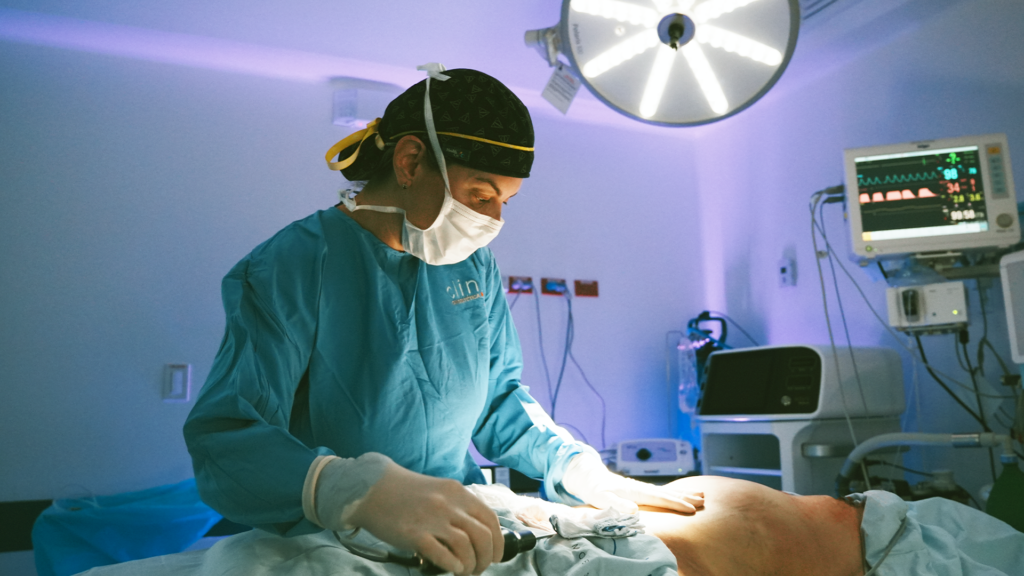
At Cliniq, this process is part of the care philosophy that has defined The Cliniq Way, where clear information, medical judgment, and continuous support form the foundation of a safe experience.
Because trust is not built only through a good surgery.
It is also built by understanding the journey that will take place before, during, and after the procedure.
What the Patient Does Not Always See Also Determines Safety
When someone evaluates plastic surgery, they often look at before-and-after photos, the surgeon’s experience, patient testimonials, and technology. All of these elements matter. But there is one part of safety that rarely appears on social media and can be decisive: the environment where the surgery takes place.
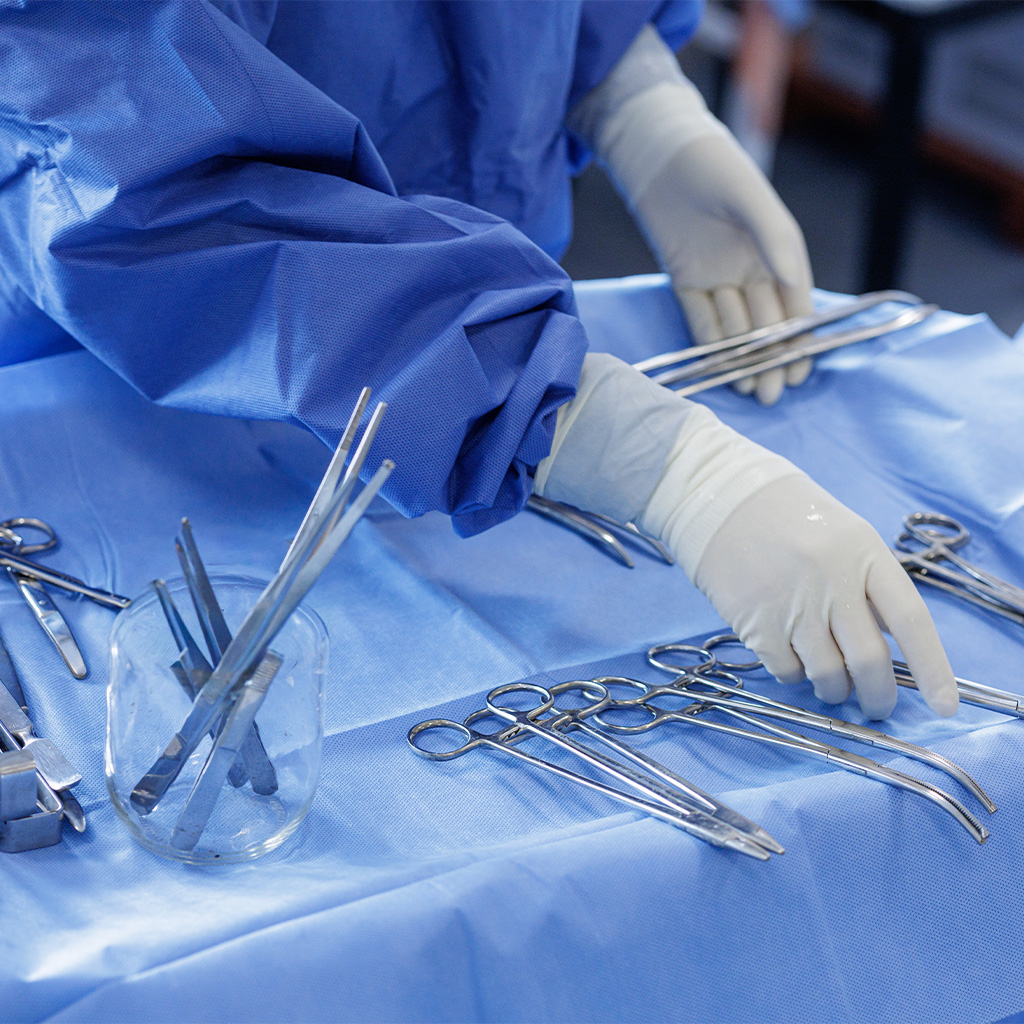
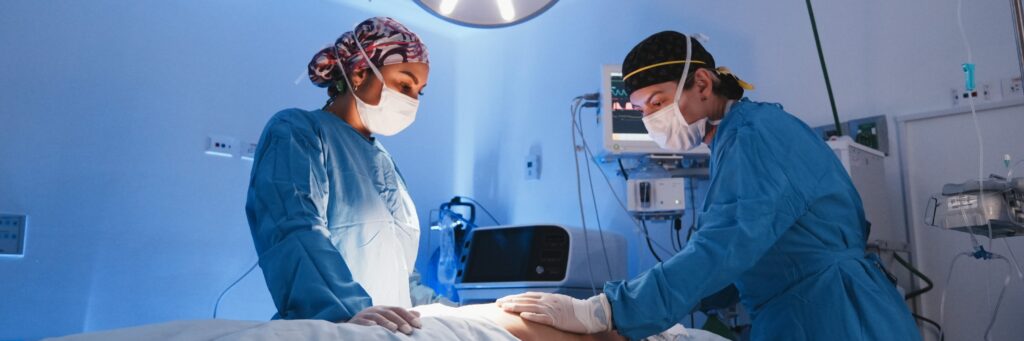
A surgical procedure requires much more than an equipped room. It requires operating rooms designed for surgery, sterilization protocols, instrument control, circulation routes, monitoring equipment, available medications, trained staff, and standardized processes to respond to any eventuality.
In plastic surgery, infrastructure is not a detail.
It is a safety barrier.
Certified Operating Rooms: Safety Supported by Processes
Operating in a controlled environment helps reduce variables and maintain more precise surveillance over every phase of the procedure.
That is why a safe clinic must have verifiable processes, not just promises.
Quality certifications do not eliminate the inherent risks of surgery, but they do demonstrate that the institution works under assessable standards, audits, protocols, and continuous improvement processes.
At Cliniq, our own operating rooms and international certifications, such as ISO 9001:2015 and QUAD A, support a structure focused on patient safety, process control, and surgical quality.
This allows each stage — from patient admission to immediate recovery — to take place within an organized, traceable system designed to protect the medical experience.
Infection Control: A Silent Priority
One of the most studied complications in surgery is surgical site infection. The Centers for Disease Control and Prevention (CDC) has stated that its prevention depends on multiple coordinated actions: proper skin preparation, instrument sterilization, correct wound management, rational use of antibiotics, control of the surgical environment, and postoperative follow-up.
In plastic surgery, this point is especially important because many procedures involve broad areas of tissue, longer healing processes, and a recovery that requires close monitoring.
For that reason, infection control protocols should not be understood as a formality.
They are a central part of safety.
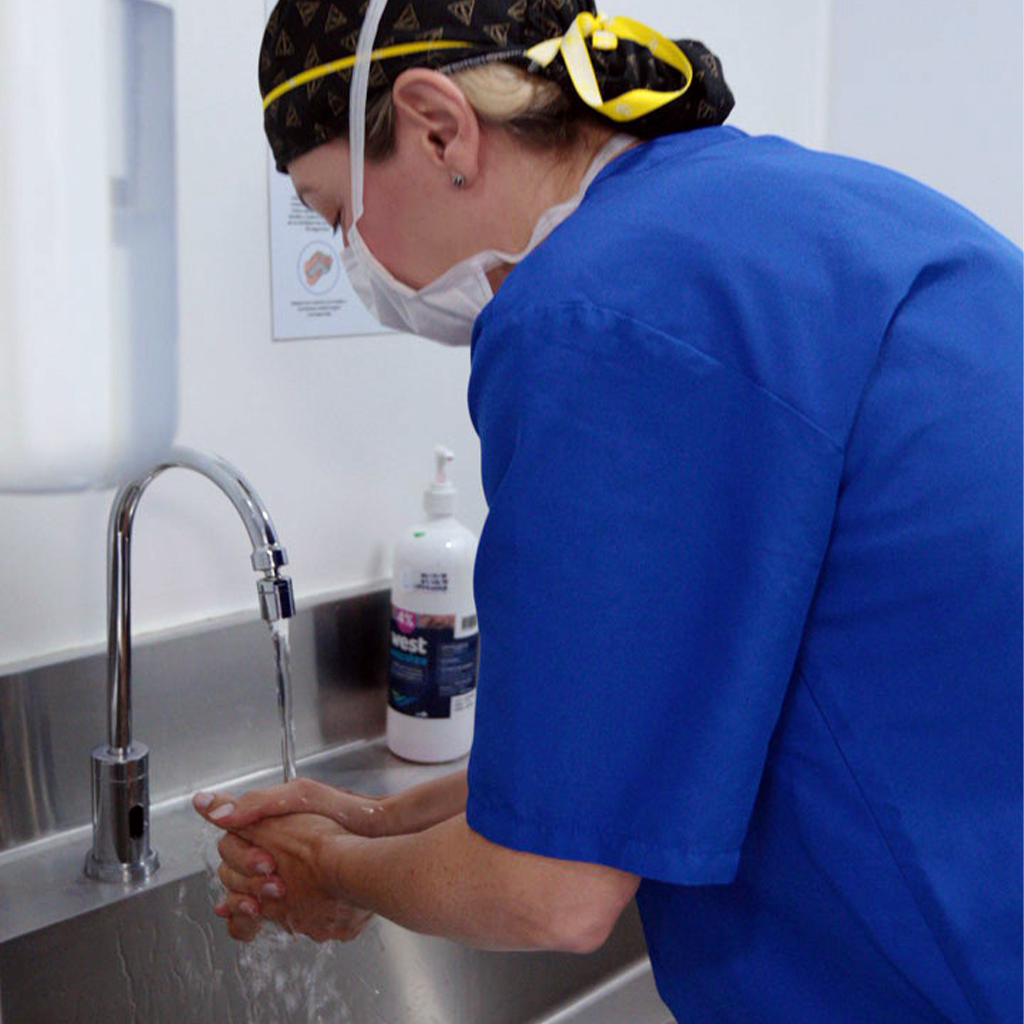
A clinic that prioritizes this aspect works with clear processes for patient preparation, antisepsis, sterilization, supply management, postoperative education, and early identification of warning signs.
These are details the patient may not see.
But the body does feel them.
Medical Experience Also Reduces Risk
A surgeon’s experience is not measured only by years of practice. It is also reflected in their ability to diagnose, plan, anticipate challenges, select patients appropriately, and make responsible decisions during the procedure.
At Cliniq, the leadership of Dr. Isabel Uribe, a plastic, reconstructive, and aesthetic surgeon with more than 20 years of experience and thousands of procedures performed, brings a surgical perspective built on real experience, a proprietary technique, and medical judgment.
This judgment is especially important in advanced plastic surgery, where every patient has a different anatomy, medical history, skin quality, tissue response, and set of expectations.
Safe surgery is not about applying the same technique to every body.
It is about understanding what each body needs and which limits must be respected.
Technology at the Service of Medical Judgment
Technology can elevate surgical precision, but only when it is used with sound judgment.
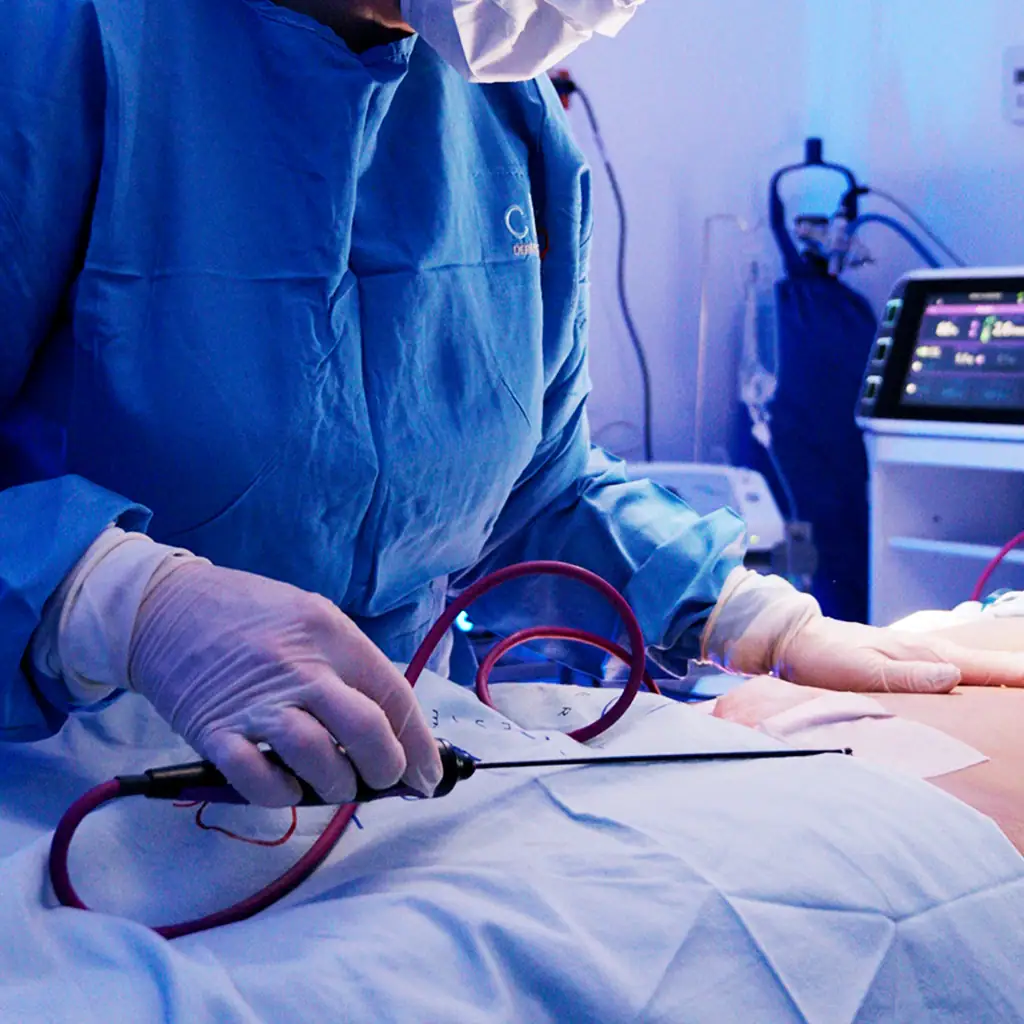
At Cliniq, platforms such as VASER®, MicroAire®, and Renuvion® with Apyx One® make it possible to work on tissue with greater precision in body contouring procedures, advanced liposuction, and lipoabdominoplasty, when they are indicated for the case.
But the true differentiator is not having technology.
It is knowing when to use it, how to integrate it, and what the goal is according to each patient’s diagnosis.
Technology does not replace surgical experience. It enhances it.
And when combined with certified operating rooms, a trained medical team, and rigorous protocols, it becomes one more tool within a system designed to protect the patient.
Choosing a Clinic Also Means Choosing a Safety System
When someone compares plastic surgery clinics, it is natural to focus on result photos, the surgeon’s background, or even the cost of the procedure. However, one of the most important decisions is often overlooked: choosing the safety system that will support the entire process.
The surgery lasts a few hours.
Preparation may take weeks.
Recovery may take several months.
That is why the procedure itself represents only one part of the experience.
What truly matters is everything that happens around it.
A clinic committed to safety understands that every decision has an impact on the patient, from the first medical evaluation to the moment they fully return to their routine.
The Questions Every Patient Should Ask Before Plastic Surgery
More than looking for quick answers, a well-informed patient knows how to ask the right questions.
Before making a decision, it is worth understanding aspects that go far beyond the procedure itself:
- Who will perform my surgery, and what is their experience?
- Who will be the anesthesiologist, and when will they evaluate me?
- Does the institution have its own certified operating rooms?
- What protocols are in place to prevent infections?
- What will my recovery look like during the first few days?
- What happens if I need medical care after surgery?
- Is there a team that will follow up on my progress?
- How will my body be prepared before the procedure?
The answers to these questions say far more about a clinic than any advertising campaign.
Because an institution truly committed to safety does not only explain the procedure. It explains the entire process.
Safety Also Has a Human Dimension
There is one aspect of safety that rarely appears in medical conversations, yet it deeply transforms the patient experience: peace of mind.
Knowing that someone will answer a call if a question comes up. Having a team that clearly explains each stage. Feeling supported during recovery. Receiving guidance when small questions arise — questions that may seem minor, but matter deeply to the patient.
All of this also reduces anxiety and strengthens trust.
At Cliniq, we understand that plastic surgery does not only modify anatomy. It also involves emotions, expectations, and personal decisions that deserve to be supported with closeness and respect.
That is why national and international patients find a carefully structured experience where medical support, continuous follow-up, and highly personalized care are part of the treatment.
Because patient well-being does not depend only on the final result. It also depends on how they experienced the journey to reach it.
In plastic surgery, zero risk does not exist, and no responsible professional should promise it.
What does exist is the possibility of reducing risks through protocols based on scientific evidence, medical experience, adequate infrastructure, technology used with judgment, and continuous support throughout every stage of the process.
Safety is not a moment.
It is not a document.
It is not a certification.
It is the sum of hundreds of decisions made correctly before, during, and after surgery.
This has been the foundation of The Cliniq Way since the beginning, and the reason it evolved into The Cliniq Way — Elevated: a standard that integrates medical experience, biological intelligence, advanced technology, and specialized recovery to offer a safer, more human, and more complete surgical experience.
Because a great result does not begin with the first incision.
It begins with the decision to entrust your well-being to a team that understands safety is not a marketing promise.
It is the principle on which the entire surgical experience must be built.