A Tummy Tuck Scar: What Really Happens to Your Skin After Surgery
A tummy tuck can transform the abdominal contour, but it also leaves a scar. A real, permanent, and evolving scar.
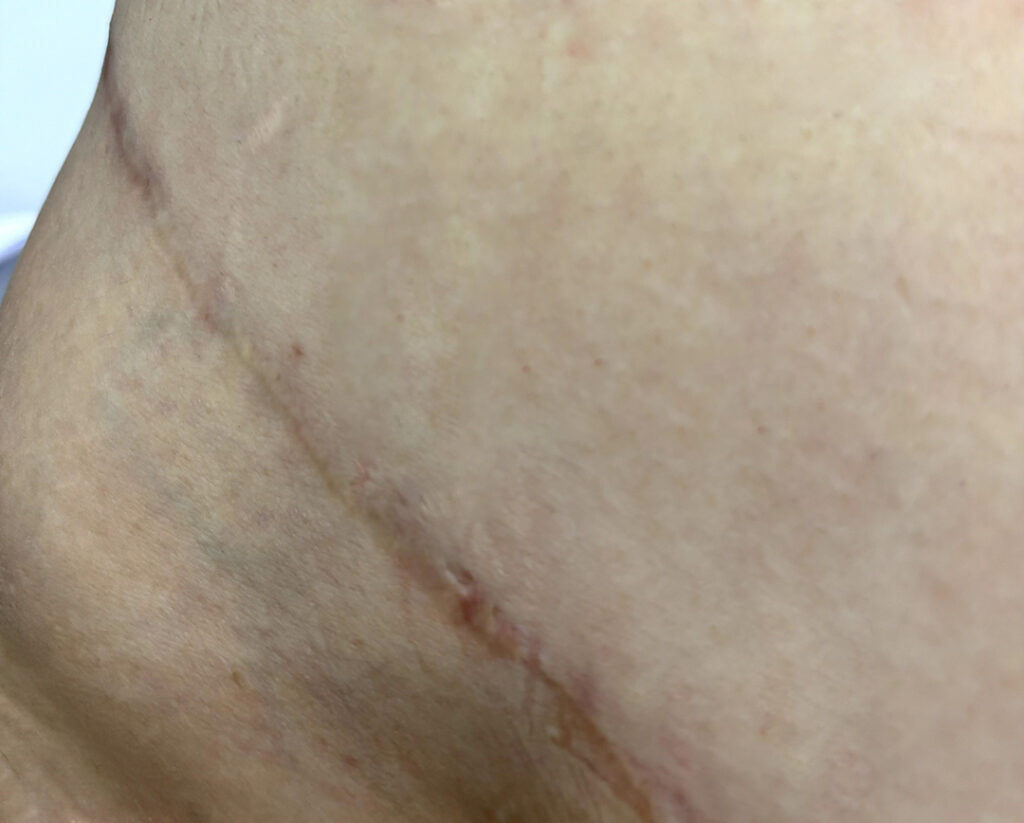
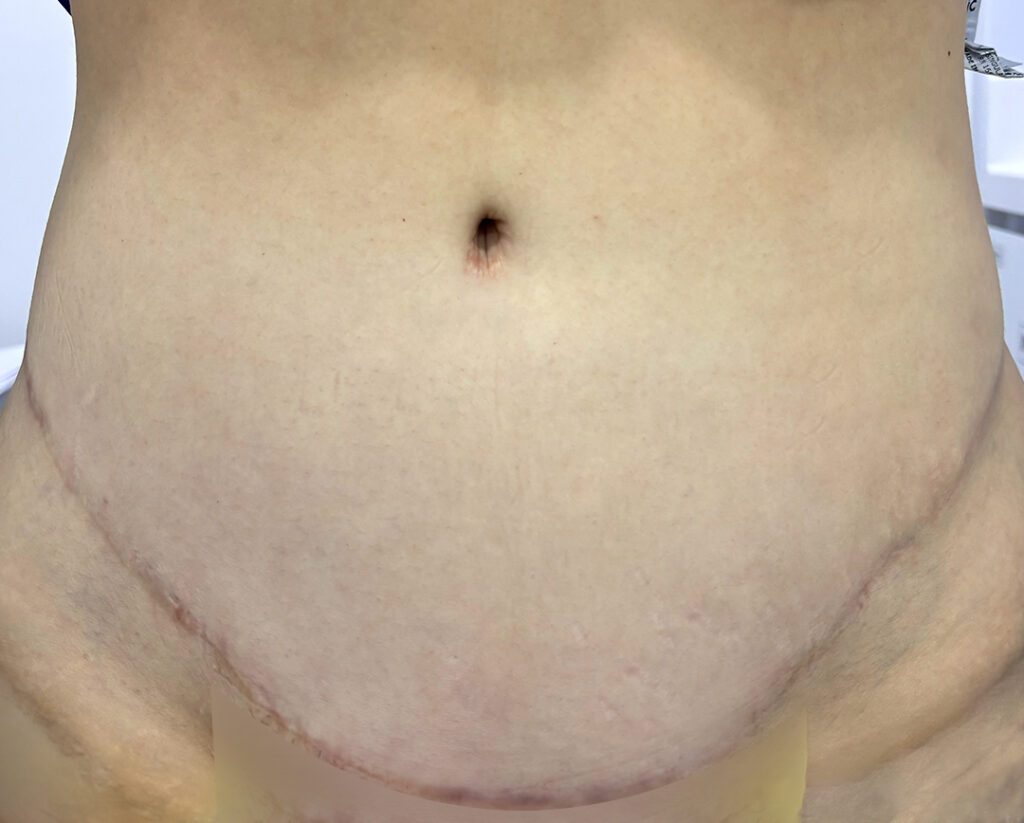
It may initially appear red, pink, purplish, or darker than the surrounding skin. It may feel firm or become swollen. Over the course of several months, its color, texture, and appearance can continue to change. And even when the surgery has been performed correctly, two patients who undergo a similar surgical technique can develop very different scars.
This isn’t a contradiction in plastic surgery. It’s biology.
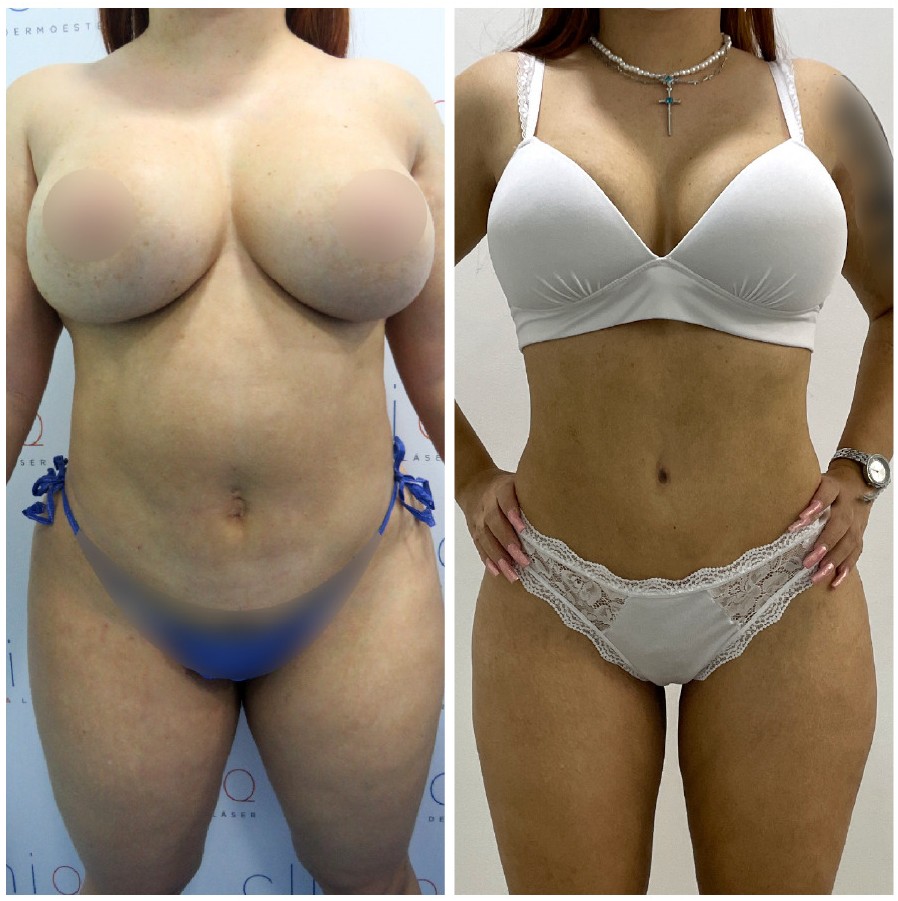
At Cliniq, we believe that talking about scars before surgery is just as important as talking about the results we hope to achieve. This is especially true when it comes to a tummy tuck or lipoabdominoplasty, because there is one reality no patient should have to discover after surgery: removing a significant amount of excess skin requires an incision, and every incision leaves a scar.
Medicine can carefully plan where the scar will be placed, address multiple factors that can influence how it develops, and support the scar throughout its maturation process.
What it cannot do is promise that the scar will disappear. Understanding this distinction completely changes the conversation.
What Does a Tummy Tuck Scar Really Look Like?
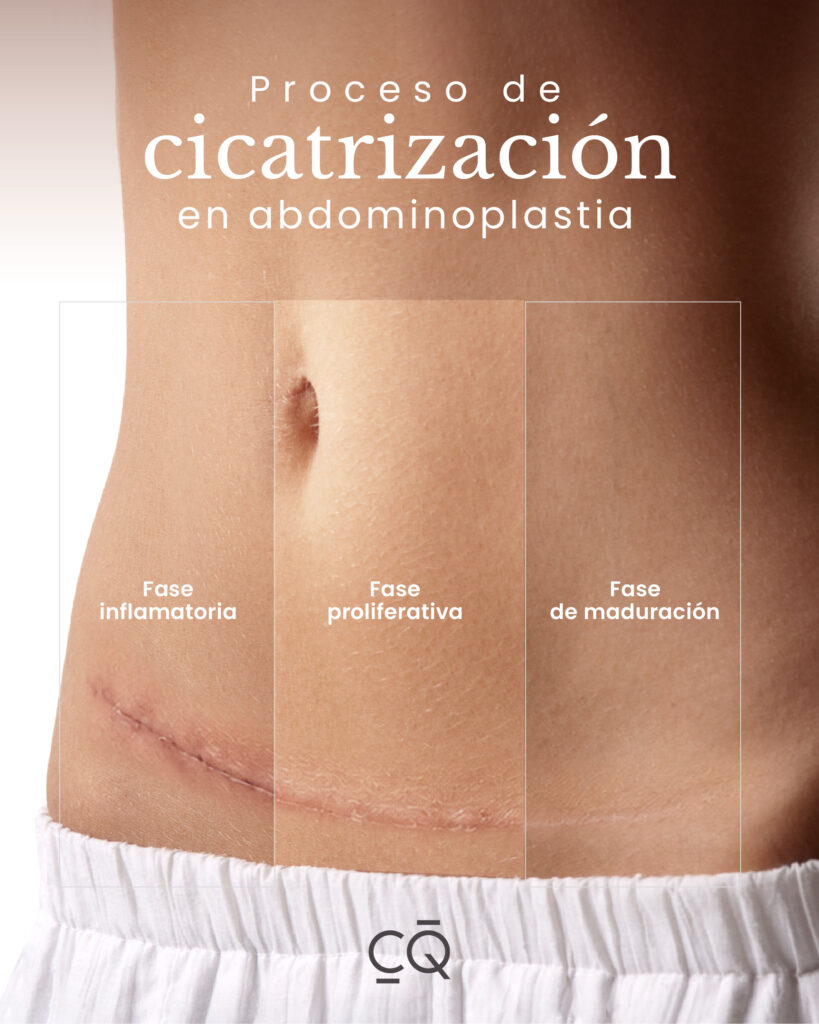
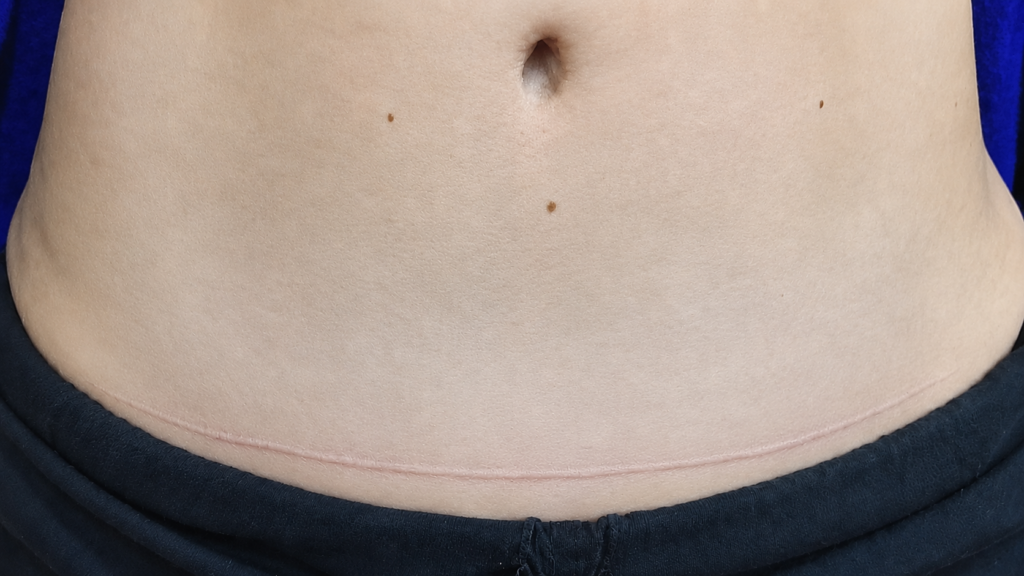
A conventional tummy tuck generally involves a horizontal incision across the lower abdomen. Its length is not the same for every patient; it depends on the patient’s anatomy, the amount and distribution of excess skin, previous surgeries, tissue characteristics, and the surgical plan.
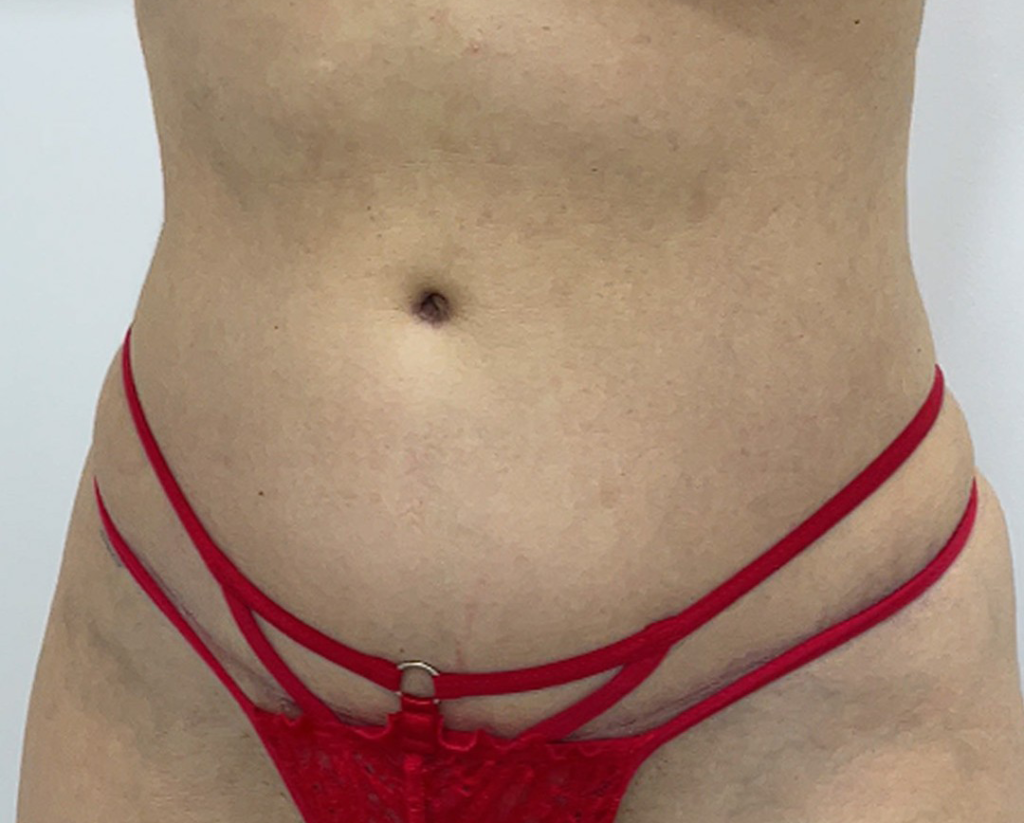
The International Society of Aesthetic Plastic Surgery (ISAPS) explains that in a standard tummy tuck, the incision is placed low on the abdomen and, when the patient’s anatomy allows, it is planned so that it can be concealed beneath underwear or a swimsuit.
When the belly button needs to be repositioned, an additional scar around the navel is also created.
This brings us to a fundamental distinction:
A well-planned scar does not mean an invisible scar.
The surgical goal is to achieve a reasonable balance between the scar that is necessary and the transformation that can be achieved.
This becomes especially important after pregnancy, significant weight fluctuations, or massive weight loss, when the skin may not retract sufficiently on its own.
Exercise can strengthen the muscles. Nutrition can influence weight and body composition. Neither can surgically remove a significant amount of excess skin.
That’s when the conversation stops being simply about “scar or no scar.”
The real question is:
What am I willing to trade for the change I’m looking to achieve?
A scar doesn’t appear fully formed: it develops over the course of months
To understand a scar, we have to stop thinking of it simply as a line.
It is new tissue.
From the moment an incision is made, the body activates an extraordinarily complex sequence of healing and repair. In general terms, wound healing progresses through phases of inflammation, proliferation, and remodeling.
Initially, the body responds to the injury and prepares the area for repair. As healing progresses, cellular activity increases and the formation of new extracellular matrix begins. Fibroblasts play an active role, and collagen becomes a central component of the process.
But the story doesn’t end when the skin closes.
During the remodeling phase, scar tissue continues to reorganize. Collagen fibers change their arrangement, and the scar gradually evolves in several of its characteristics.
That’s why a new scar can be much more noticeable than a mature scar.
And that’s why a photograph taken just a few weeks after a tummy tuck cannot be used to judge the final outcome of the scar.
A scar has its own biological timeline.
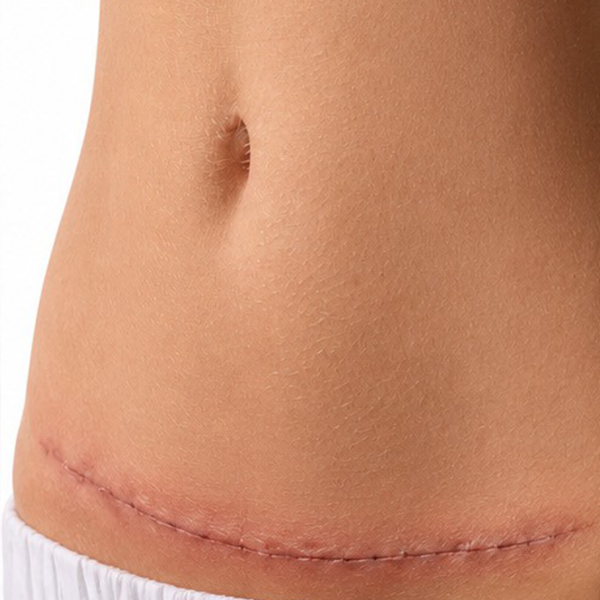
Why Is My Scar Red, Dark, Hard, or Swollen?
This is one of the questions that can cause the most anxiety after surgery.
And often, the answer begins with understanding where you are in the healing process.
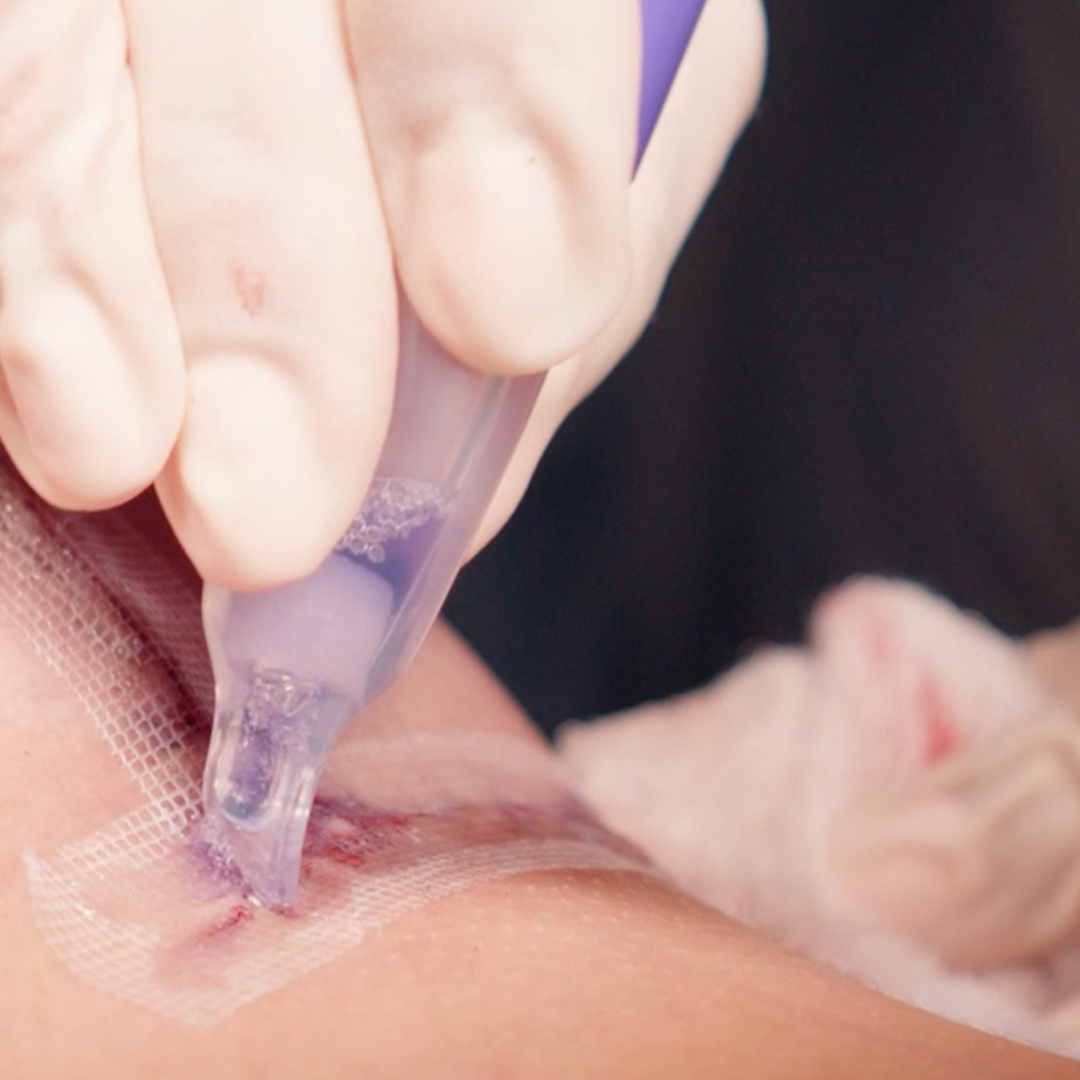
A recent scar has increased vascular and inflammatory activity. That’s why it may appear pink or red, feel firm, or have a different color from the surrounding skin.
In some skin types, post-inflammatory hyperpigmentation can also occur.
This does not automatically mean that there is a complication.
However, a scar that changes unexpectedly, opens, develops drainage, or is accompanied by increasing pain, warmth, significant swelling, or other warning signs should be evaluated by the medical team. Follow-up care is important precisely because it allows us to distinguish an expected stage of healing from a situation that requires medical intervention.
At Cliniq, we don’t view the postoperative period as a separate stage from surgery. It is part of the surgical process.
Not all skin heals the same way
This is probably one of the most important truths throughout the entire process.
The same surgical technique can be used on two different people, yet their scars may heal very differently.
Why?
Because a surgeon operates on tissue, but that tissue is part of an individual’s unique biology.
Skin pigmentation, personal and family history of scarring, inflammatory response, genetics, tissue quality, tension on the wound, sun exposure, smoking, nutritional status, and certain medical conditions can all influence how a scar develops.
There are also important differences among skin phototypes.
More highly pigmented skin may be more susceptible to certain pigmentary changes following inflammation, and some populations have a greater predisposition to developing keloid scars.
This does not mean that darker skin will heal poorly. It means something much more important from a medical perspective:
A scar should always be assessed in the context of the individual who is forming it.
That’s why we don’t believe in making predictions based solely on an Instagram photo.
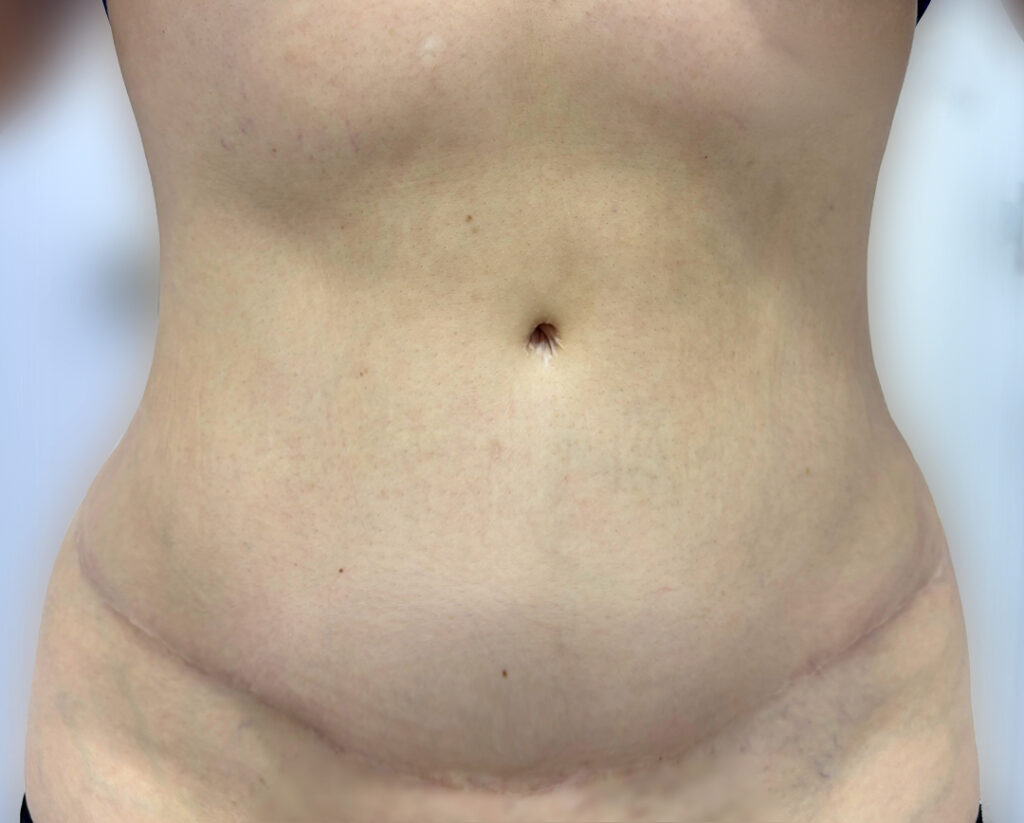
Does a Thick Scar Mean It’s a Keloid?
No. This is one of the most common myths after plastic surgery.
A hypertrophic scar and a keloid are not the same thing.
A hypertrophic scar can become raised and thickened, but it remains within the boundaries of the original wound. A keloid, on the other hand, involves an overgrowth of scar tissue that extends beyond those original boundaries.
Distinguishing between the two is important because they can behave differently and may require different treatment approaches.
This is also why, before surgery, it is worth answering a seemingly simple question:
How have you healed from scars in the past?
A C-section, previous surgery, injury, piercing, or even a family history of scarring can provide valuable information during your medical evaluation.
They cannot predict exactly how you will heal in the future, but they are part of the overall assessment.
Collagen: More Isn’t Always Better
Few words are used as often in aesthetics today as collagen.
But during wound healing, its role is much more complex than simply “having firm skin.”
Collagen plays an essential role in rebuilding tissue and then undergoes a process of reorganization and remodeling. A high-quality scar does not simply depend on producing large amounts of collagen.
It depends on the balance between collagen synthesis, breakdown, and organization within the tissue.
Hypertrophic scars and keloids are examples of wound healing in which the scarring response becomes excessive.
That’s why, when we talk about promoting healthy scar formation, we are not talking about “producing as much collagen as possible.”
We are talking about creating favorable conditions that allow the body to repair and remodel the tissue properly.
Tension matters, too
A scar doesn’t depend solely on what happens within the skin.
It also responds to mechanical forces.
Tension placed on a wound can influence how it heals, which is why surgical planning and closure techniques are important. Studies in abdominoplasty have shown that certain suturing techniques can reduce the amount of tension transferred to the skin edges.
This is why scar placement is not a decision made at the end of surgery. It is part of the surgical plan from the very beginning.
The literature has also specifically examined the quality and positioning of scars after abdominoplasty, reinforcing something that is essential in plastic surgery: the scar should be considered from the moment the surgery is designed, not only once it appears during the postoperative period.
What About the Age of Your Skin?
Your skin changes as you do.
As we age, changes occur in skin thickness, elasticity, blood supply, cellular activity, and the characteristics of the extracellular matrix. However, reducing the body’s ability to heal to chronological age alone would be a mistake.
A 50-year-old patient in otherwise favorable health may heal very differently from another person of the same age who has different risk factors.
Nutrition, circulation, cumulative sun exposure, medications, nicotine use, underlying medical conditions, previous surgeries, and the individual characteristics of the tissue can all influence the healing process.
That’s why, for us, the age on your ID provides information.
Your biology tells us much more.
After Weight Loss: When the Body Changes Faster Than the Skin
There is a group of patients for whom this conversation becomes even more important.
People who have experienced obesity or significant weight loss can achieve an extraordinary transformation and still discover that their skin does not fully keep up with the changes in their body.
The reason is anatomical.
After remaining stretched for extended periods of time, the skin may lose some of its ability to retract. Abdominal overhangs, folds, laxity, and excess skin may remain—changes that will not simply disappear with more exercise.
In this setting, the scar from body-contouring surgery takes on a different meaning.
We don’t believe it is appropriate to say that “a scar is better than obesity.” These are different medical realities, and obesity is a complex disease that deserves to be addressed without stigma.
But there is a legitimate conversation we have had many times with patients:
“I would rather have this scar than live with the excess skin I’ve had for years.”
That decision belongs to the patient.
The surgeon’s role is to explain what transformation is possible, where the scar will likely be located, what the risks are, what medicine can and cannot control, and whether surgery truly makes sense for that individual.
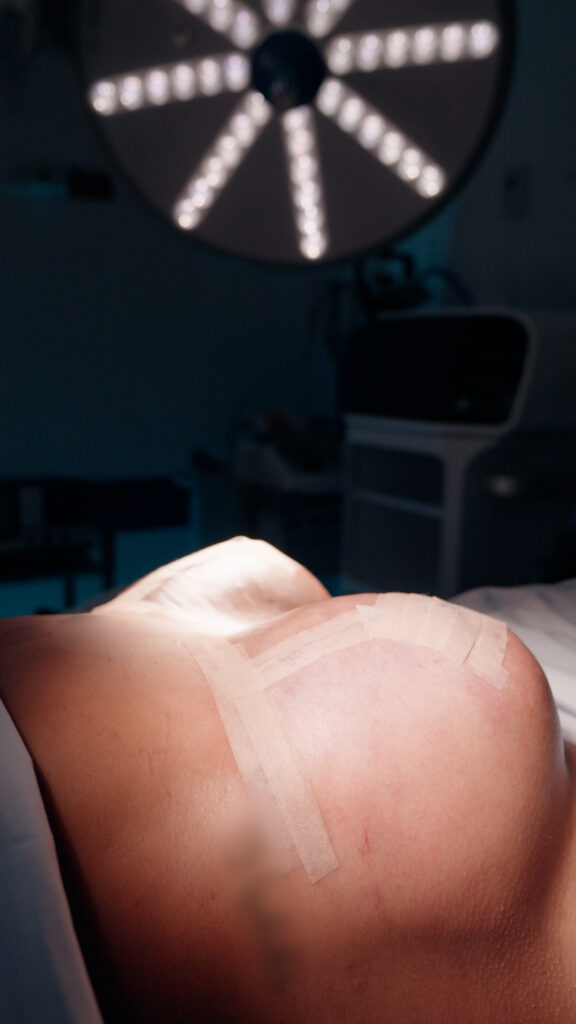
The Breasts Tell a Similar Story
This conversation isn’t limited to the abdomen.
A breast lift (mastopexy) may require scars around the areola, vertically down the breast, and, depending on the case, along the breast crease.
Why?
Because repositioning tissue and removing excess skin requires surgical access.
When a patient asks whether it is worth accepting these scars to reshape breasts that have changed after pregnancy, breastfeeding, aging, or weight loss, there is no universal answer.
There is a personal decision that should be made based on accurate, honest information.
And this is one of the key differences between selling surgery and practicing plastic surgery with sound judgment:
A good surgeon must also know when a scar is not worth the change the patient is seeking.
The Cliniq Way — Elevated: The Scar Begins Before the Incision
At Cliniq, we developed The Cliniq Way — Elevated around three moments that we consider inseparable:
Preparation — Precision — Recovery.
This doesn’t mean we can completely control how an individual will heal. It means we understand the surgical outcome as a process that begins long before entering the operating room and continues long after leaving it.
Preparation
Before surgery, it matters to understand who we are operating on.
The medical evaluation, medical history, nutritional status, previous surgeries, skin characteristics, scarring history, and overall health all play a role in surgical planning.
At Cliniq, this stage may include support from our Nutrition team and individualized preparation strategies based on each patient’s medical needs.
It’s not about adding procedures for the sake of it. It’s about better preparing the person who is going to undergo surgery.

Precision
During surgery, technique, anatomy, and technology work together.
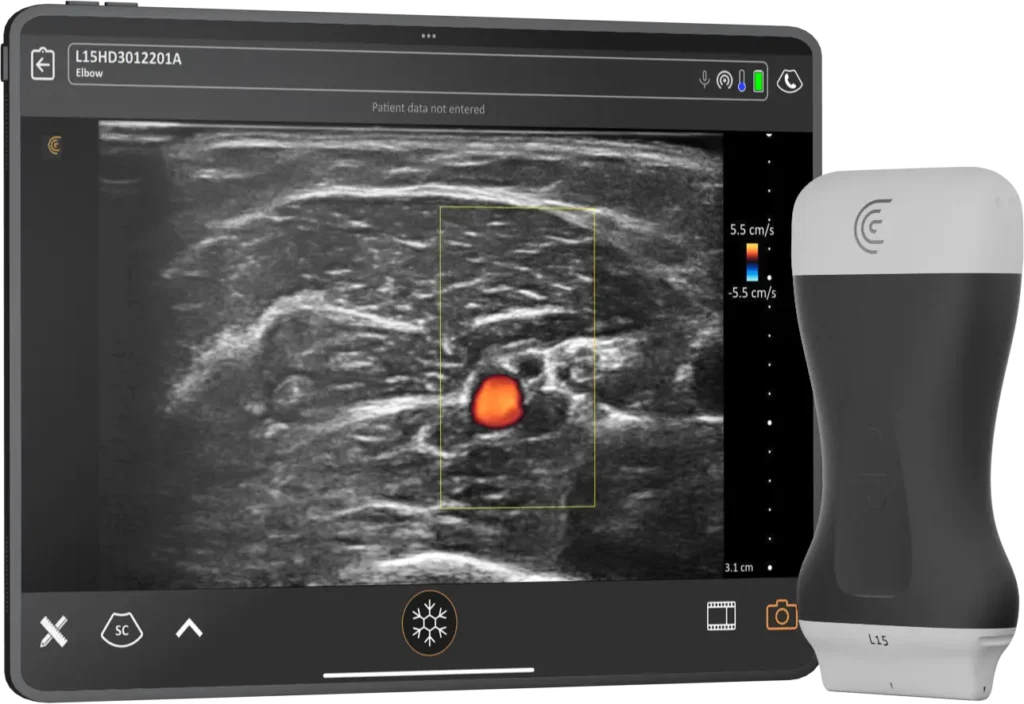
At Cliniq, we have our own operating rooms and a technological ecosystem that includes, among others, VASER®, MicroAire®, Renuvion® with its latest Apyx One® console, and Clarius intraoperative ultrasound, used according to the indication and the specific needs of each procedure.
Technology does not replace the surgeon’s judgment. When used appropriately, it enhances it.
In a lipoabdominoplasty, planning the amount of skin to be removed, managing the tissues, distributing tension, and positioning the incisions are all part of the same surgical strategy.
Recovery
Once an incision is closed, another phase of the process begins.
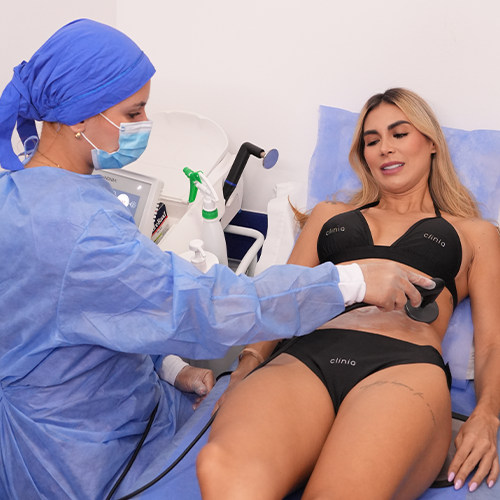
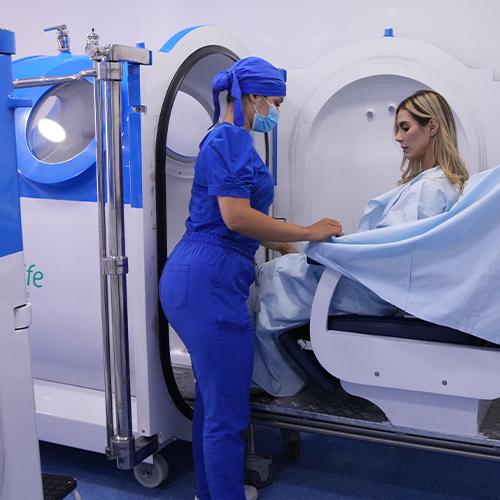
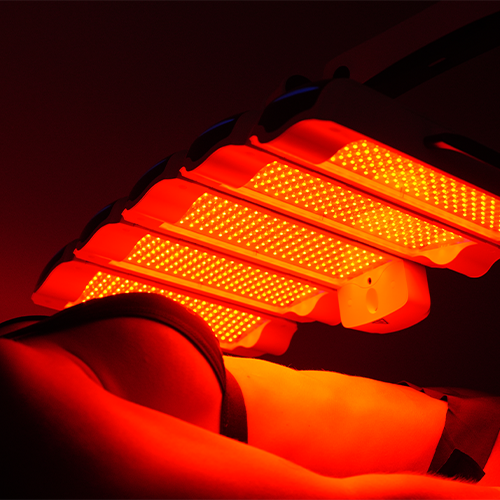
At The Cliniq Way — Elevated, recovery is understood as an active, closely monitored phase that may include, when medically indicated, surgical follow-up, physical therapy, nutritional support, and technologies available at Cliniq, such as Indiba Pro, hyperbaric oxygen therapy, and ELIXIR MD™, as part of individualized protocols.
This is important: no technology can guarantee a perfect scar.
The goal is to support the recovery process, identify any changes or complications promptly, and make decisions based on the patient’s actual healing process.
Can a Tummy Tuck Scar Be Improved?
In many cases, there are strategies to support or treat the scar as it evolves.
But the right treatment first depends on understanding what we are treating.
A young scar that is still maturing is not the same as a hypertrophic scar. Treating pigmentation changes is different from treating a keloid. And not every treatment is appropriate at every stage of healing.
Depending on the characteristics of each case, the medical team may consider local wound care, sun protection, and other medical or technological treatment options.
The important thing is to move away from the idea of a “miracle cream.”
A scar is living biological tissue. It deserves a proper medical assessment.
How Long Does It Take for a Tummy Tuck Scar to Reach Its Final Appearance?
This question is especially important for people searching online for photos of “tummy tuck scar after one month,” “scar at three months,” or “scar after one year.”
Those images show different stages of the same process.
Scar remodeling continues for months, and there is significant individual variation. That’s why there is no universal point in time when every scar should look a certain way.
Rather than focusing on a specific date, it is more useful to look at the overall trend.
Is the color changing? Is the scar becoming more raised? Is there tension? Are there symptoms? Is the healing process progressing as expected?
Medical follow-up turns these questions into clinical decisions.
Colombia Is Also Part of an Important Conversation About Tummy Tucks
The relevance of this procedure is far from marginal.
The International Society of Aesthetic Plastic Surgery (ISAPS) estimated that 21,984 abdominoplasties were performed in Colombia in 2024. In its global survey, Colombia also ranked among the countries with the highest proportion of international patients treated by plastic surgeons.
This means that more and more patients—including those traveling from other countries to undergo surgery in Colombia—need information that goes beyond before-and-after photos.
They need to understand the procedure.
The risks.
The recovery.
And the scars, too.
For international patients, this information is even more important because care does not end when they board a flight home. Postoperative follow-up and instructions should be part of the surgical plan from the very beginning.
The Final Question Isn’t Whether There Will Be a Scar
There will be one.
Perhaps this is one of the least commercial things a plastic surgery clinic can say.
And precisely for that reason, we believe it’s important to say it.
The real conversation begins after that:
Where will it be?
Why does it need to be that long?
How does it typically evolve?
What are the characteristics of your skin?
How have you healed from scars in the past?
What can we do to support its healing?
And, above all, is the change you’re seeking worth that scar to you?
Good plastic surgery should not chase the fiction of a body without a history.
It should strive for proportion, function when appropriate, harmony, and a result that is consistent with each patient’s individual anatomy.
After more than two decades of experience and thousands of procedures performed at Cliniq, there is something we continue to consider essential: diagnosis comes before transformation.
A scar should not be left out of the conversation.
It should be part of it.
Because when a patient understands what their body can gain, what will necessarily change, and the marks that may accompany that transformation, they stop choosing surgery based solely on a photograph.
They begin making an informed decision.
And that, too, is a form of beauty guided by sound judgment.