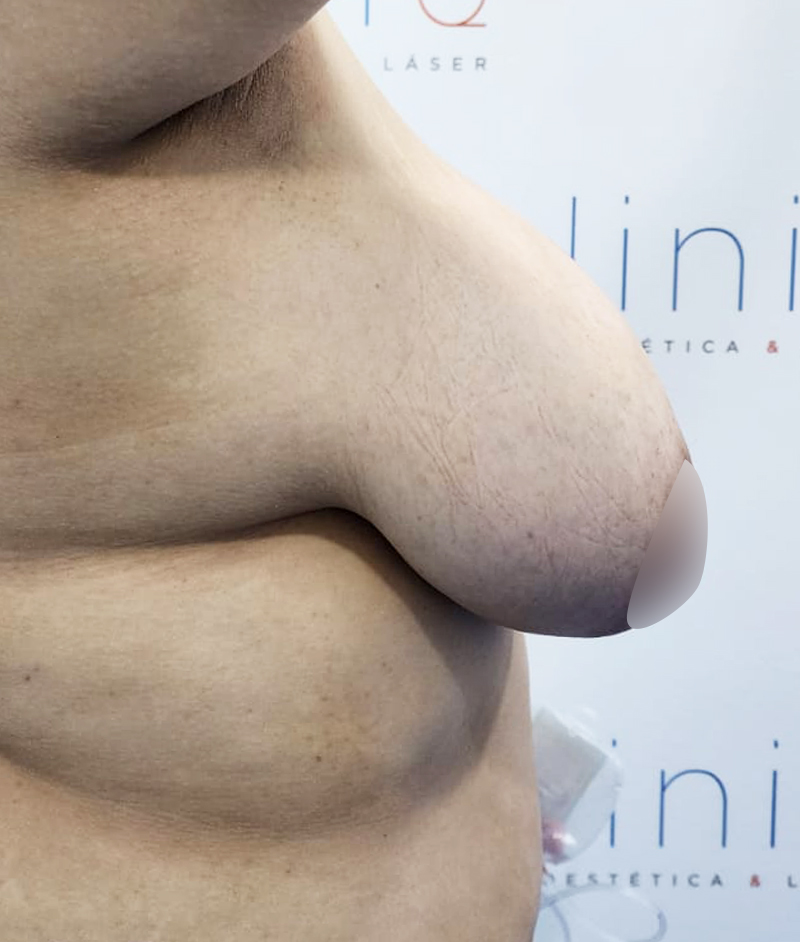
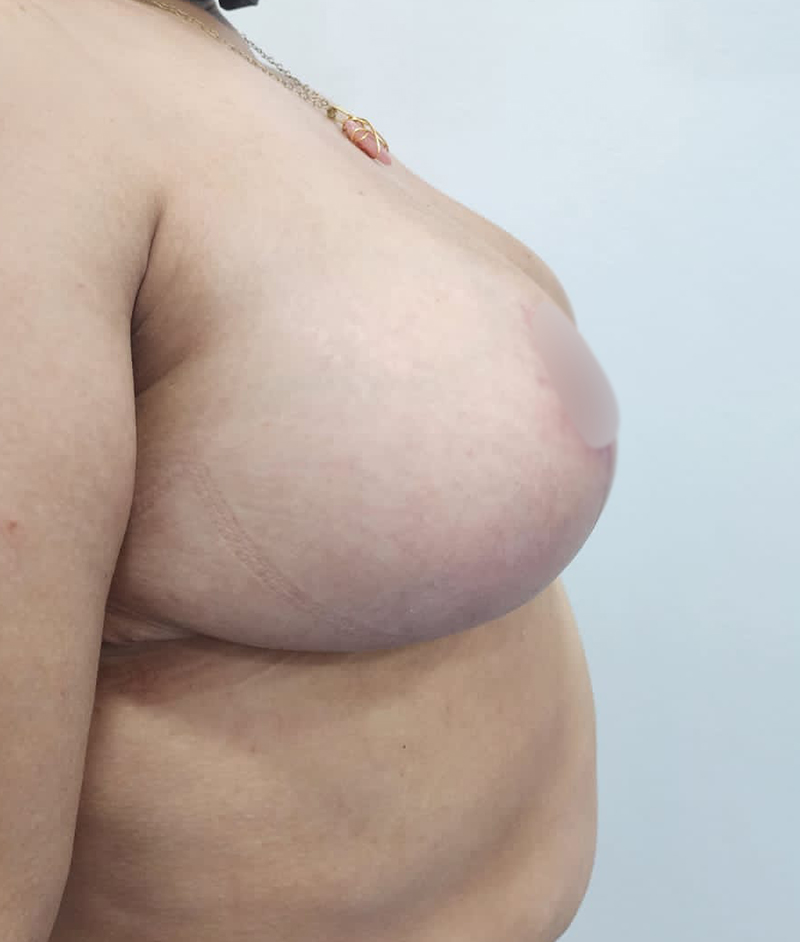
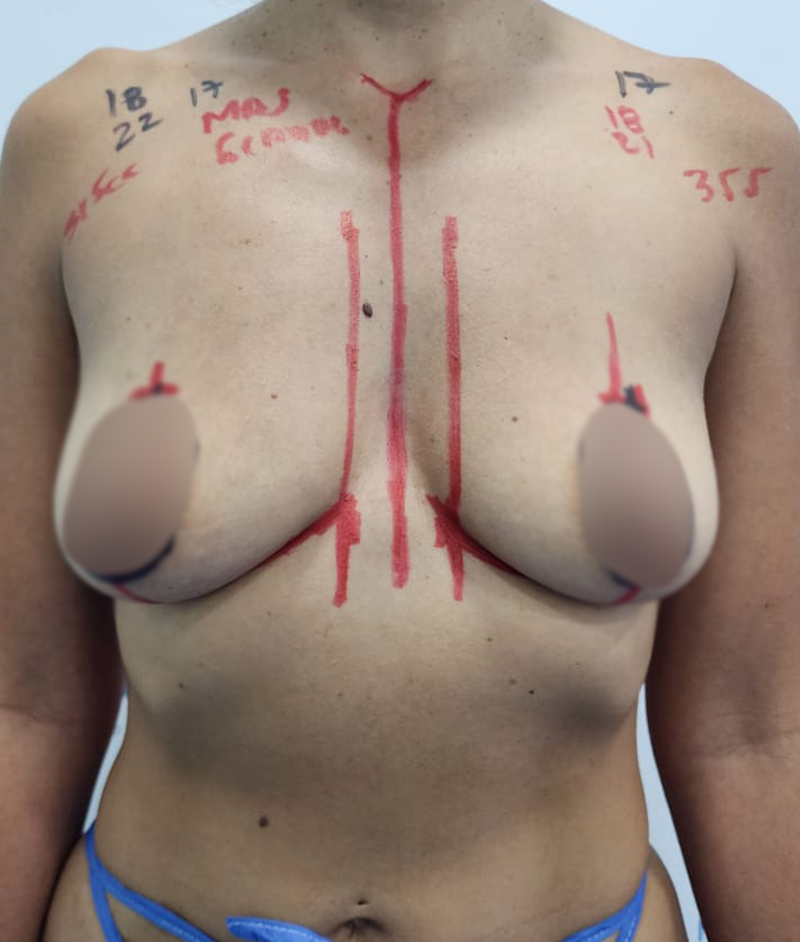
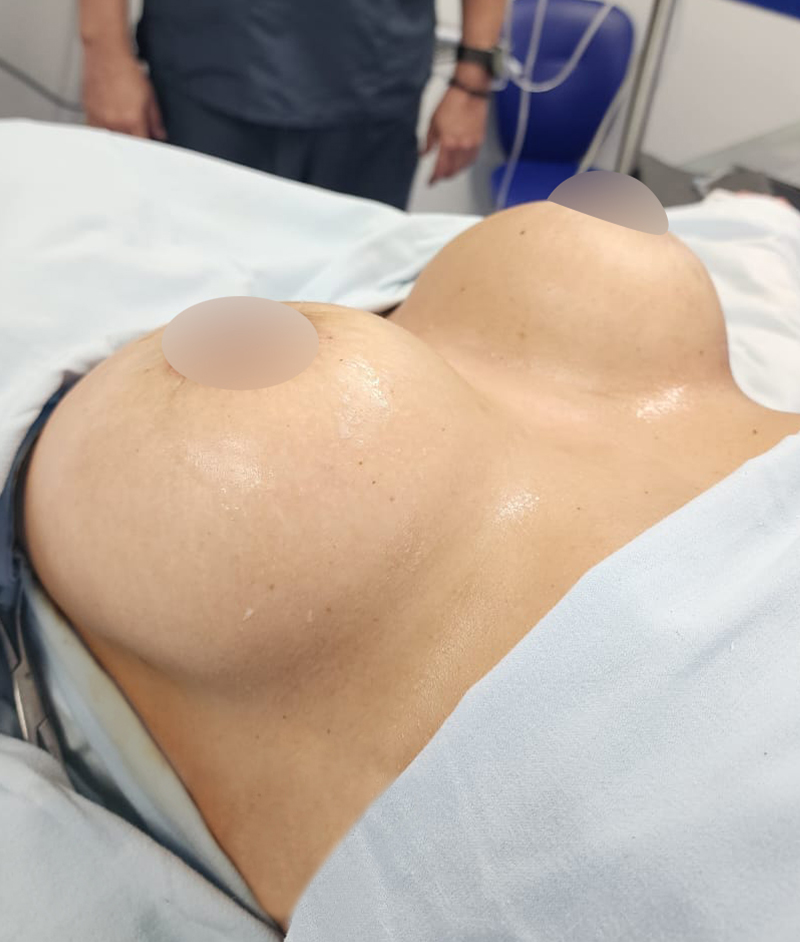
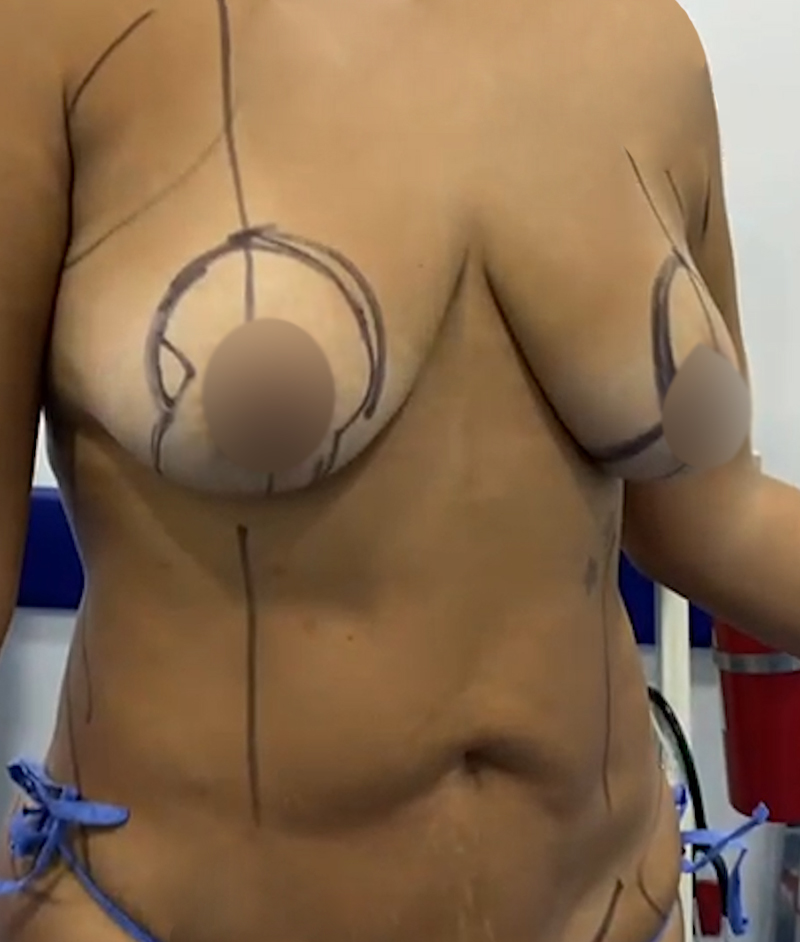
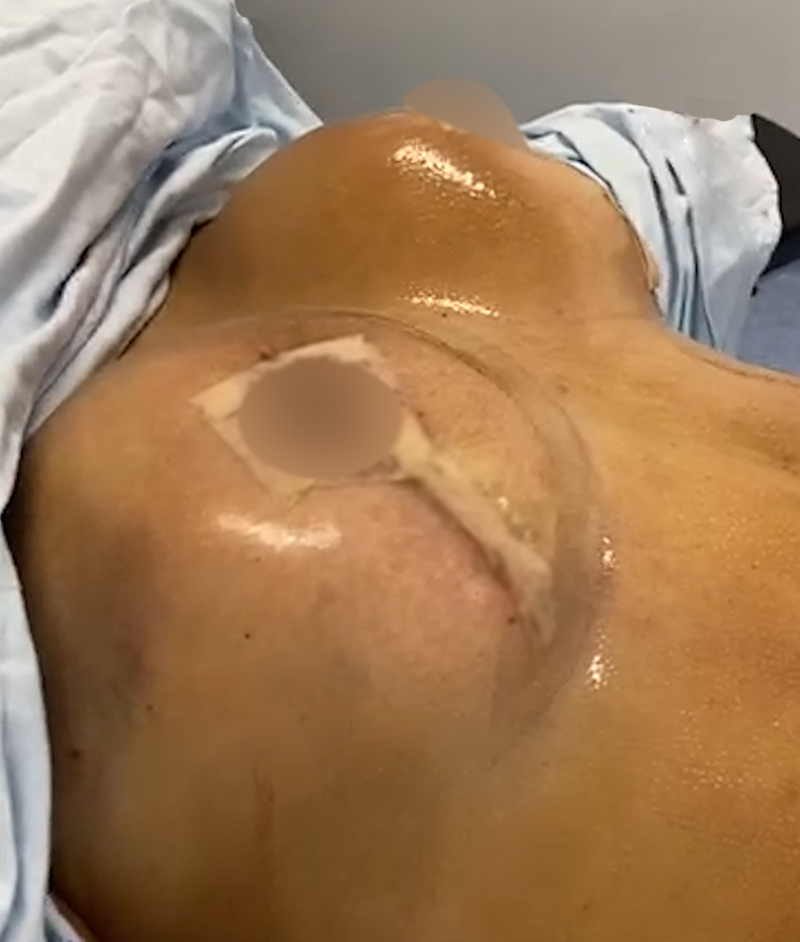
She's the best...my life was never the same after being in her hands.
Cliniq Legal

Plastic surgery patient review
Wow, it looks beautiful, doctor. God has given you such a wonderful gift of helping people feel better about themselves. God bless the work of your hands.
Plastic surgery patient review
Someday, doctor, I will have the pleasure of traveling to Colombia to have this procedure done with you.
Plastic surgery patient review
Cosmetic surgery not only beautifies the body but also helps heal the soul. Many hearts and minds have lost their sparkle and power due to changes in the body that were not necessarily the result of irresponsibility.
Plastic surgery patient review
The best doctor in the whole world! Someday I will return to your clinic. Thank you, Dr. Isabel. 🫶🏼
Plastic surgery patient review
You are amazing and beautiful inside and out❤️Thank you for making me feel great about my body after having 3 babies🥰
Plastic surgery patient review
Beautiful ❤️ I love her. I had surgery eight days ago and I'm happy. She's the best. I will never regret choosing her as my surgeon. May God continue to bless her hands 🙏🏽❤️
Plastic surgery patient review
Her work is impeccable; there is no one who is not happy with the results, but what definitely makes her special is her inner beauty, that ability she has to make you feel happy, special, confident, and calm. I admire and love her.
Plastic surgery patient review
Always look for the best professionals for any cosmetic procedure, and without a doubt, they are @cliniqmedellin. Happy and very happy, I love you all ❤️🔥
Orthodontic patient review
That dentist is so handsome... he's the best 🥰🥰🥰
Cosmetic dentistry patient review
The best doctor and the best team, they definitely changed my life 💛
Cosmetic dentistry patient review
God bless you always, doctor. You and your team are excellent!!!! I will never forget how well you treated us. You made us feel comfortable and confident. 🙏🏼
Plastic surgery patient review
You are an angel, my doctor 👩⚕️, a paragon of professionalism, dedication, and commitment ❤🙌🔥❤🙌🔥❤❤❤🙌🔥 to what you do. Thank you and your team for being so special. Blessings.
Plastic surgery patient review
My sister had surgery at Cliniq almost two months ago. They accompanied her throughout the process, and she says that in the United States, the results would not have been the same. Her scar is thin, her belly button is normal, and best of all, the care provided by all the staff, their humanity and professionalism, and the technology really made it worth every penny invested.
Plastic surgery patient review
You're the best!!! I'll always say it ✨🧡 I love my teeth 🦷 You'll hear from me again soon 😎
Cosmetic dentistry patient review
Highly recommended! I had Nanopore done and the results were excellent! ❤️
Medical aesthetics patient testimonial
Greetings to the best doctor!! I have known her work for several years, and it is exceptional. Her love for her patients is evident; she truly loves her profession 👌 Highly recommended ❤️❤️ A hug from afar.
Plastic surgery patient review
She is the best there is, both personally and professionally. I love her 🥰.
She is excellent. Don't hesitate to put your face in her hands 🥳🥳.
Plastic surgery patient review
They are the best, an operating room full of love for their patients. My doctor Isabel is very professional, I recommend her one thousand percent. I had the pleasure of meeting them all and, honestly, they make an excellent team. They treated me with all the love, warmth, and attention I deserved. A big hug to everyone ❤️ Sandra is such a sweetheart. 🥰 Cliniq is the best 💯💕🤗
Plastic surgery patient review
The one who is applying the Botox is María Clara, the surgeon’s sister. She is very good, I recommend her
Medical aesthetics patient testimonial
"I had my treatment with Dr. Sara Londoño at Cliniq two weeks ago, and you can already see the change. I trust this clinic a lot; Dr. Londoño will never let you do or get anything you don’t actually need. Every time I go to Medellín, I visit them
Medical aesthetics patient testimonial